TheMarketingStackBehindStonedAge—AIBlogs,Emails,ZeroCode
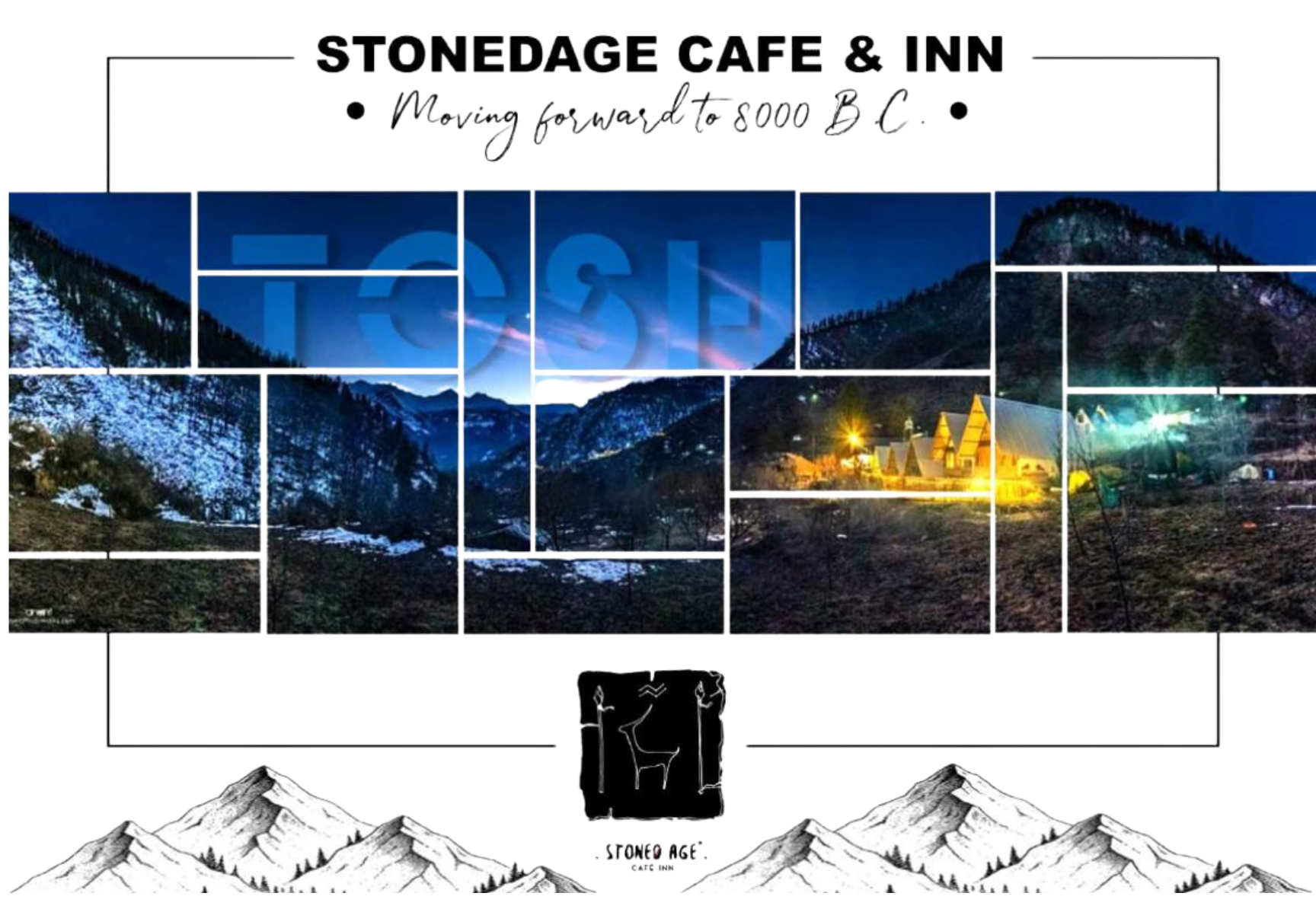
A boutique inn at 7,874 feet does not have a marketing department. It has me, a co-founder, a mountain, and a stubborn refusal to pay agency retainers for work that AI can now do at 2 am.
This is how we actually market StonedAge Tosh — the real stack, the honest version, including the parts that are duct tape.
The problem: great place, terrible for foot traffic
StonedAge has one marketing disadvantage that no amount of budget fixes: you cannot stumble upon it. There's no highway sign, no walk-in trade, no passing tourist who wanders in. If someone is going to make the climb, they have to decide to — days or weeks in advance, from their phone, hundreds of kilometres away.
That means every guest is won online, before they ever pack a bag. For a place with no road, the internet isn't a channel. It's the only channel.
So the entire game is this: show up when someone searches "places to stay in Tosh" or "offbeat Parvati Valley," tell a story good enough to make them commit, and make booking effortless. Here's how we do it without a team.
Layer 1: AI-written blogs that actually rank
Most of our organic traffic comes from long, specific, genuinely useful blog posts — the kind that answer the exact question a traveller is typing at midnight.
Pieces like why Tosh will ruin every other mountain trip and what not to miss when you're in Tosh aren't there to sell rooms directly. They're there to be found — to rank for the searches a future guest makes long before they know StonedAge exists, and to be so useful that the reader trusts us by the end.
The workflow:
- Draft with AI, prompted with our real voice, real details, and the specific search intent we're targeting — not generic filler.
- Edit by hand. This is non-negotiable. AI gets you 80% of the way; the last 20% — the lived detail, the honest opinion, the thing only someone who built the place would know — is what makes it rank and makes it true.
- Publish and cross-link so every post points to two or three others, keeping readers moving through the site.
The output isn't "AI content." It's my content, drafted faster. That distinction is the whole ballgame.
Layer 2: Email that runs itself
Every enquiry, every past guest, every "just browsing" newsletter signup goes into one list. From there, automation does the follow-up I would otherwise forget to do.
Booking enquiry but no confirmation? A gentle, human-sounding sequence nudges them. Stayed with us last season? A note when the valley opens up again. None of it is manual. All of it sounds like a person, because I wrote the templates once, carefully, and let the system send them forever.
Email is boring and it works. It's the highest-ROI channel we have and it costs almost nothing to run.
Layer 3: Zero code, deliberately
I can write code. I chose not to, here. The StonedAge stack is deliberately no-code and low-maintenance, because the goal isn't a beautiful engineering project — it's rooms filled with the right people while I'm busy running the actual inn.
The principle I'd give any small operator: your marketing stack should survive you ignoring it for a month. If it needs constant babysitting, it's too complex. AI drafts, automation sends, a clean booking page closes. My job is to point it and check on it, not to live inside it.
The uncomfortable truth about AI marketing
AI didn't replace the marketer. It replaced the excuses. "No time to blog," "can't afford an agency," "don't know where to start" — those are gone now. A one-property, two-founder business can run a content and email engine that would have needed a small team five years ago.
What AI can't do is have actually built a stone café three kilometres past the road, or know why the walk up matters, or feel what a guest feels when the glacier fills the window. That part is still entirely human. That part is the product.
The stack just makes sure the right people hear about it.